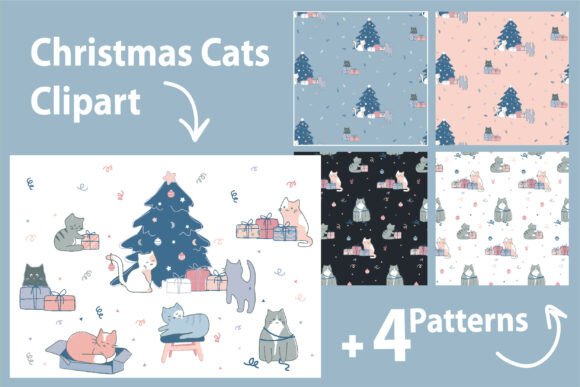
Review: Christmas Cats Clipart Patterns Set for Embroidery
As a designer who has spent countless hours digitizing and testing files, I approach every new machine embroidery design with a mix of curiosity and skepticism. We have all been there: you download a file that looks perfect on the screen, only to find it turns into a tangled mess of thread once it hits the fabric. This is why I took a close, practical look at the Christmas Cats Clipart Patterns Set. My goal was not just to admire the artwork, but to evaluate its viability for real-world production, from custom client orders to small batch runs for an Etsy shop.
First Impressions and Visual Personality
The immediate appeal of this set lies in its charm. The illustrations capture that specific whimsical mood that sells well during the holiday season. However, from a technical standpoint, the layout and detail level are what matter most. The shapes are distinct, which is crucial for maintaining clarity after stitching. When I reviewed the lines, I noticed they were clean enough to translate well into satin stitches or fill stitches without excessive jumping or trimming. The visual personality is playful yet structured, making it suitable for a wide range of applications beyond just novelty items.
For those working in the Illustrations category, this set offers a balance between artistic flair and technical feasibility. It does not rely on overly complex gradients that embroidery machines struggle to replicate. Instead, it uses solid forms and clear outlines, which is a smart choice for ensuring the final product looks professional rather than amateurish.
Real-World Application: The Holiday Tote Test
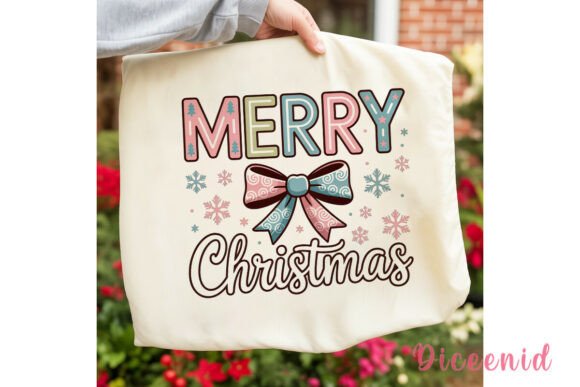
To truly understand how these patterns perform, I mentally walked through a common scenario: preparing a custom embroidered tote bag for a boutique client. Tote bags are typically made from canvas or heavy cotton, which provides a stable base but requires careful handling of stitch density. Using the Christmas Cats Clipart Patterns Set here would be ideal because the designs are bold enough to stand out against the textured fabric.
If I were stitching one of these cat motifs onto a natural linen tote, I would likely opt for a dense fill stitch for the body of the cat to ensure full coverage, while using a satin stitch for any textual elements or fine details like whiskers. The result would be a high-value handmade product that feels substantial and well-crafted. Customers reacting to such an item are more likely to perceive it as a premium personalized gift rather than a mass-produced commodity. This perception directly impacts buyer engagement and allows for higher pricing in a competitive market.
Versatility Across Product Lines
Beyond tote bags, this set shows promise for various other embroidery projects. For sweatshirt embroidery, the designs would need to be scaled appropriately to avoid stiffness. A large, dense design on a thin fleece can make the garment uncomfortable to wear. Therefore, I would recommend adjusting the stitch density or using an applique technique if the design allows, to keep the custom apparel soft and wearable.
For smaller items like baby embroidery on onesies or bibs, the simpler shapes within the set are advantageous. Babies move around, and delicate details can get lost or distorted on stretchy fabrics. Here, the robust lines of the cat illustrations hold up better. Similarly, for an embroidered patch, these designs could be digitized with a merrowed edge or a simple satin border, creating a durable accessory that customers can iron or sew onto jackets and hats.
Technical Considerations and Potential Pitfalls
While the aesthetic is strong, there are areas where caution is necessary. Not every design in a clipart set is created equal for embroidery. When dealing with small hoop sizes, such as a 4x4 inch hoop for caps or ornaments, you must check the scale. Tiny details, such as small eyes or intricate collar patterns, may merge together if the needle size is too large or the stabilizer is insufficient.
Fabric texture plays a massive role. On textured fabrics like terry cloth towels or fuzzy blankets, fine running stitches can disappear. In these cases, I would advise increasing the stitch width or using a contrasting thread color to ensure visibility. For dark fabrics, always test your thread colors first. A dark grey cat on a navy blue shirt might look muddy unless you use a bright outline or adjust the shading.
Curved surfaces, like baseball caps, present another challenge. The curvature can distort the image if the design is too wide. I recommend placing the cat motif centrally and ensuring it is not too tall, so it does not wrap around the sides of the cap unnaturally. Always use a proper stabilizer—cut-away for stretchy fabrics and tear-away for stable wovens—to prevent puckering.
Enhancing Brand Value and Customer Trust
Using high-quality assets like the Christmas Cats Clipart Patterns Set contributes significantly to brand consistency. When an Etsy seller or small shop owner presents a cohesive collection of holiday items, it builds trust. Customers can see the attention to detail in the stitching, which reflects professionalism. This is particularly important for commercial embroidery where repeat business relies on satisfaction.
Furthermore, these designs work well for printable mockups and digital product previews. Before you even stitch a single thread, you can place the design on virtual products to gauge customer interest. This saves time and materials, allowing you to refine your offerings based on digital feedback. It is a smart strategy for any craft business looking to minimize waste and maximize efficiency.
Practical Designer Notes
Before committing to a full production run, follow these steps:
- Test on scrap fabric: Always stitch a sample on the same material you intend to use for the final product. Check for puckering, thread breaks, or registration issues.
- Check thread contrast: Ensure your chosen thread colors stand out against the fabric. Use a black and white mockup to verify value contrast if you are unsure.
- Review stitch density: If the design feels too stiff after stitching, consider reducing the density in your digitizing software or switching to an applique method.
- Confirm hoop size: Make sure the design fits comfortably within your machine’s hoop, leaving enough margin for clamping.
- Inspect small details: Zoom in on the preview. Are there tiny jumps or unnecessary trims that could cause issues? Clean up the path if necessary.
- Verify licensing: Before selling finished items or digital products, confirm the license terms associated with the digital embroidery file. Ensure you have the rights for commercial use if you are a small shop product creator.
In conclusion, the Christmas Cats Clipart Patterns Set offers a solid foundation for holiday-themed projects. It balances cute aesthetics with practical design elements that can withstand the rigors of machine embroidery. By paying attention to fabric choice, stabilizer type, and stitch adjustments, you can transform these illustrations into high-quality finished products that delight customers and elevate your brand. Whether you are creating holiday embroidery for gifts or stocking your online store, this set is a versatile asset worth considering for your next creative venture.