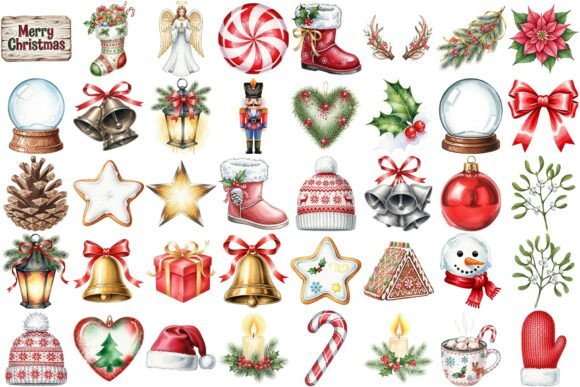
Reviewing 77 Watercolor Christmas Design Elements
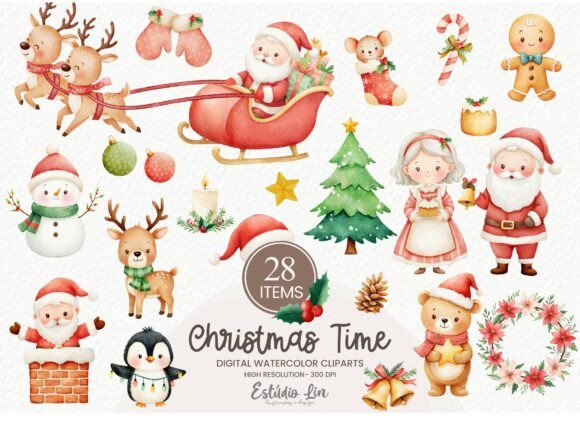
As a designer who has spent countless hours digitizing and stitching out holiday motifs, I approach new asset packs with a mix of excitement and skepticism. The market is flooded with generic clip art, but 77 Watercolor Christmas Design Elements caught my eye because of its specific aesthetic promise. Watercolor styles are notoriously difficult to translate into thread, yet they offer a softness that rigid vector graphics often lack. After reviewing these assets for potential use in my own craft business and client projects, I want to share how they hold up under the scrutiny of real-world embroidery application.
The First Impression: Mood and Visual Personality
The immediate appeal of this collection lies in its organic feel. Unlike sharp, digital illustrations, these elements possess a hand-painted quality that suggests warmth and nostalgia. For an embroidery designer, this translates to a challenge: how do we maintain that fluid, bleeding-edge look when working with the structured nature of a machine embroidery design? The shapes are whimsical rather than geometric, featuring loose branches, soft berries, and imperfect circular wreaths. This visual personality fits perfectly into the current trend of "slow living" and handmade authenticity. It does not scream for attention; instead, it invites a closer look, which is exactly what you want for a high-end handmade product.
Real-World Application: From Concept to Stitch
To test the viability of these assets, I imagined a specific scenario: creating a limited run of holiday tote bags for a local boutique. The goal was to produce a tote bag design that felt artisanal rather than mass-produced. Using elements from the pack, I focused on a central wreath motif surrounded by scattered berries. The layout allowed for creative spacing, avoiding the cluttered look that often plagues holiday designs.
When translating these Illustrations into an embroidery file, the key is managing expectations. The watercolor effect relies on gradient blends, which must be simulated using thread color changes or specific stitch techniques. For this project, I utilized a combination of fill stitch for the broader leaf areas and satin stitch for the finer stems. The result was a textured, tactile representation of the original artwork. Customers reacting to the finished piece noted the "painterly" quality of the thread work, proving that the right design assets can elevate the perceived value of a finished product.
Versatility Across Product Lines
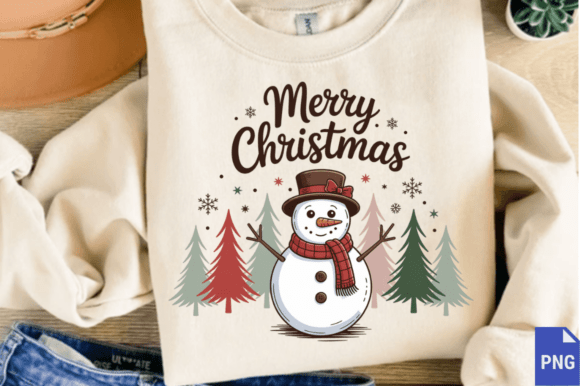
Beyond tote bags, these elements show remarkable versatility. For sweatshirt embroidery, the softer edges of the watercolor style prevent the design from looking too heavy or stiff on thick fabric. A small cluster of berries works beautifully as a pocket accent on a crewneck, offering a subtle nod to the season without overwhelming the garment. Similarly, for baby embroidery, the gentle curves and lack of harsh lines make these designs safe and visually appealing for nursery decor or personalized blankets. The whimsical nature of the assets also lends itself well to embroidered patch creation, where the irregular borders can be embraced rather than fought against.
For Etsy sellers and small shop owners, having a cohesive set of 77 elements means you can create varied listings without buying multiple disparate packs. You can mix and match components to create unique personalized gift options, such as monogrammed aprons or custom pillow covers. This flexibility is crucial for maintaining brand consistency while offering variety.
Technical Considerations and Fabric Challenges
While the aesthetic is strong, practical execution requires caution. Watercolor designs often feature fine details and subtle gradients that can get lost if not handled correctly. When working with textured fabric like linen or heavy canvas, the intricate parts of the design may sink into the weave. In these cases, increasing the stitch density slightly or using a cut-away stabilizer can help the design pop. However, one must be careful not to make the design too dense, as this can cause puckering, especially on lighter materials.
Curved surfaces present another challenge. Applying these designs to caps or hats requires careful digitizing to ensure the hoop size constraints are respected and that the design does not distort. The irregular shapes in this pack can be tricky on curved surfaces if the center point is not aligned perfectly. Additionally, when using dark fabrics, the light, airy nature of watercolor designs may require an underlay of white thread or a light-colored backing to ensure the thread colors remain vibrant and true to the original illustration.
Stitching Clarity and Detail Management
One critical aspect of using watercolor-inspired assets is managing tiny details. Some elements in the pack feature very fine splatters or thin brush strokes. In embroidery, these must be simplified. A running stitch might replace a thin line, or small dots might be converted into French knots or simple satin columns. If you attempt to stitch every pixel of the original digital file, the result will likely be messy and prone to thread breaks. It is essential to review the design in a simulation software before stitching, checking for excessive jumps or overly complex color changes.
Enhancing Brand Value and Customer Trust
Using high-quality design assets like 77 Watercolor Christmas Design Elements directly impacts customer trust. When a buyer sees a well-executed, thoughtful design, they perceive the maker as professional and skilled. This is particularly important for commercial embroidery projects where brand reputation is on the line. The unique look of these elements helps differentiate your products from the sea of generic, store-bought holiday items. It signals that care and creativity went into the embroidery project, justifying a higher price point and fostering buyer engagement.
For digital product sellers, these assets can also be used to create compelling printable mockup previews. Showing how the design looks on various products helps customers visualize the final item, increasing conversion rates. However, always ensure you have the correct license for commercial use if you are selling the digital files themselves or using them in products for resale.
Practical Designer Notes for Best Results
Before committing to a full production run, follow these practical steps:
- Test on scrap fabric: Always stitch out a sample on the same material you intend to use for the final product. This reveals issues with tension and density.
- Check thread contrast: Ensure your chosen thread colors provide enough contrast against the fabric, especially for subtle watercolor shades.
- Review stitch density: Adjust density based on fabric weight. Lighter fabrics need less density to prevent puckering.
- Confirm hoop size: Make sure the design fits within your machine’s maximum hoop area, leaving room for stabilization.
- Inspect small details: Simplify any elements that are too fine for thread to reproduce accurately.
- Test in black and white: View the design in grayscale to check for value contrast and clarity without the distraction of color.
- Use proper stabilizer: Match the stabilizer type to the fabric and design complexity to ensure a clean finish.
- Verify licensing: Confirm whether the license allows for commercial use of finished items or digital redistribution.
In conclusion, 77 Watercolor Christmas Design Elements offers a refreshing take on holiday motifs. While they require thoughtful digitizing and careful stitching to translate the watercolor effect into thread, the result is a sophisticated, artisanal look that elevates any custom apparel or home decor item. For designers willing to put in the technical effort, these assets are a valuable addition to their creative toolkit.