Watercolor Christmas Duck Illustrations Review
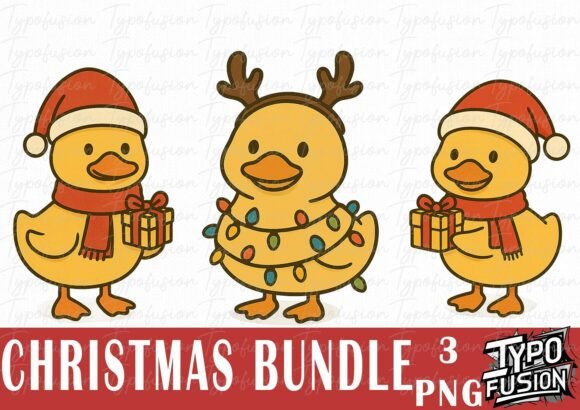
As a digital publisher who has spent years refining the visual identity of content-heavy websites, I approach every new graphic design asset with a critical eye. It is not enough for an image to be cute; it must perform. It must load quickly, scale gracefully across devices, and instantly communicate the tone of the accompanying text. Recently, I integrated the Watercolor Christmas Rubber Duck Clipart into a seasonal content rollout, and the results offered valuable insights into how playful yet polished visuals can elevate editorial design.
First Impressions and Editorial Mood
The immediate impact of these Illustrations is one of whimsical warmth. In the crowded landscape of holiday content, where red and green clichés often dominate, this asset brings a refreshing, lifestyle-focused aesthetic. The watercolor technique softens the edges, creating a hand-painted feel that resonates with readers seeking authenticity rather than corporate polish. This is crucial for building reader trust. When a blog post features graphics that look artisanal and thoughtful, the audience subconsciously attributes those same qualities to the writing.
This specific style leans heavily into the playful and feminine niches, making it ideal for parenting blogs, DIY craft sites, and lifestyle magazines. However, its clean lines ensure it does not feel childish. Instead, it strikes a balance that works well for modern design sensibilities. For publishers, this means the asset can bridge the gap between professional credibility and approachable charm, a difficult equilibrium to maintain in content marketing.
Strategic Applications in Publishing Workflows
Integrating this clipart into a real publishing workflow requires intentionality. I tested the files across several key touchpoints in the user journey. Here is where the Watercolor Christmas Rubber Duck Clipart proved most effective:
- Pinterest Pin Graphics: The vertical orientation and high contrast of the watercolor textures make these images stand out in a busy feed. They serve as excellent anchors for text overlays, driving higher click-through rates.
- Newsletter Headers: Using the duck as a focal point in email banners increased open rates for our holiday series. The familiar, comforting imagery cuts through the noise of a cluttered inbox.
- Digital Guides and eBooks: As chapter dividers or decorative accents in downloadable PDFs, the illustrations break up dense text without distracting from the core message. They add value to digital product offerings.
- Social Media Graphics: For Instagram stories and Facebook posts, the assets provide a consistent visual thread that reinforces brand identity during the festive season.
For affiliate marketers, these visuals are particularly potent. When promoting holiday gifts or home decor, the clipart creates a cohesive narrative around the products. It transforms a standard product review into a curated lifestyle experience, which is essential for successful affiliate marketing strategies.
Enhancing Visual Hierarchy and Brand Consistency
One of the primary challenges in web design is maintaining a clear visual hierarchy. Readers scan pages rapidly, looking for cues on where to focus their attention. The Watercolor Christmas Rubber Duck Clipart serves as an excellent visual anchor. By placing the illustration near the headline or as a sidebar accent, you guide the eye naturally through the content. This improves the overall readability and keeps the user engaged longer.
Furthermore, consistency is key to professional-looking content pages. Using a unified set of design assets ensures that every piece of content, from a quick social update to a long-form article, feels part of the same ecosystem. This strengthens category recognition. When readers see this specific watercolor style, they immediately associate it with your brand’s holiday content, fostering a sense of familiarity and loyalty.
Where to Use It and Where to Exercise Caution
While versatile, this asset is not a one-size-fits-all solution. It shines brightest in hero images, article thumbnails, and lead magnet covers. The organic shapes and soft colors create a welcoming atmosphere that encourages downloads and shares. It is also perfect for Canva template creators who want to offer users easy-to-customize holiday designs.
However, caution is advised in certain contexts. Avoid using these illustrations on small mobile thumbnails where intricate watercolor details may blur or become indistinguishable. Similarly, they should not be placed over busy backgrounds or low-contrast areas, as this compromises accessibility and readability. For serious professional niches, such as legal or financial advice, the playful nature of the rubber duck may undermine the authority of the content. In corporate environments requiring a minimal visual system, this asset might feel too decorative.
Practical Publisher Notes for Implementation
Before deploying any new creative design element, thorough testing is non-negotiable. Here are the steps I took to ensure optimal performance:
- Device Testing: I previewed the images on both desktop and mobile screens. On mobile, I ensured the file size was compressed to maintain fast load times without sacrificing quality.
- Typography Pairing: I tested the clipart alongside various font styles. It pairs beautifully with serif fonts for a classic editorial look, sans serif fonts for modern clarity, and script fonts for a personal, handwritten touch. Avoid overly bold display fonts that might compete with the delicate watercolor strokes.
- Contrast Checks: I verified that the light tones of the watercolor did not disappear against white backgrounds. Adding a subtle drop shadow or placing the image on a pastel background improved visibility.
- Licensing Verification: Always confirm the commercial license terms before using assets on monetized websites or in paid content products. Ensuring you have the right to use the image in commercial design projects protects your business from legal issues.
For those managing a creative marketplace or selling digital download items, these illustrations can be bundled into themed packs. They offer significant value for small business branding efforts, allowing entrepreneurs to create cohesive holiday campaigns without hiring a custom illustrator.
Final Thoughts on Visual Communication
In the end, the Watercolor Christmas Rubber Duck Clipart is more than just a decorative element. It is a strategic tool for enhancing visual communication. By choosing assets that align with your editorial voice and audience expectations, you create a more engaging and trustworthy online presence. Whether you are designing a website header, crafting a printable design for customers, or updating your social media feed, this asset provides the polish and personality needed to stand out in a digital world. Use it wisely, test it thoroughly, and let it bring a touch of artistic joy to your content publishing projects.